
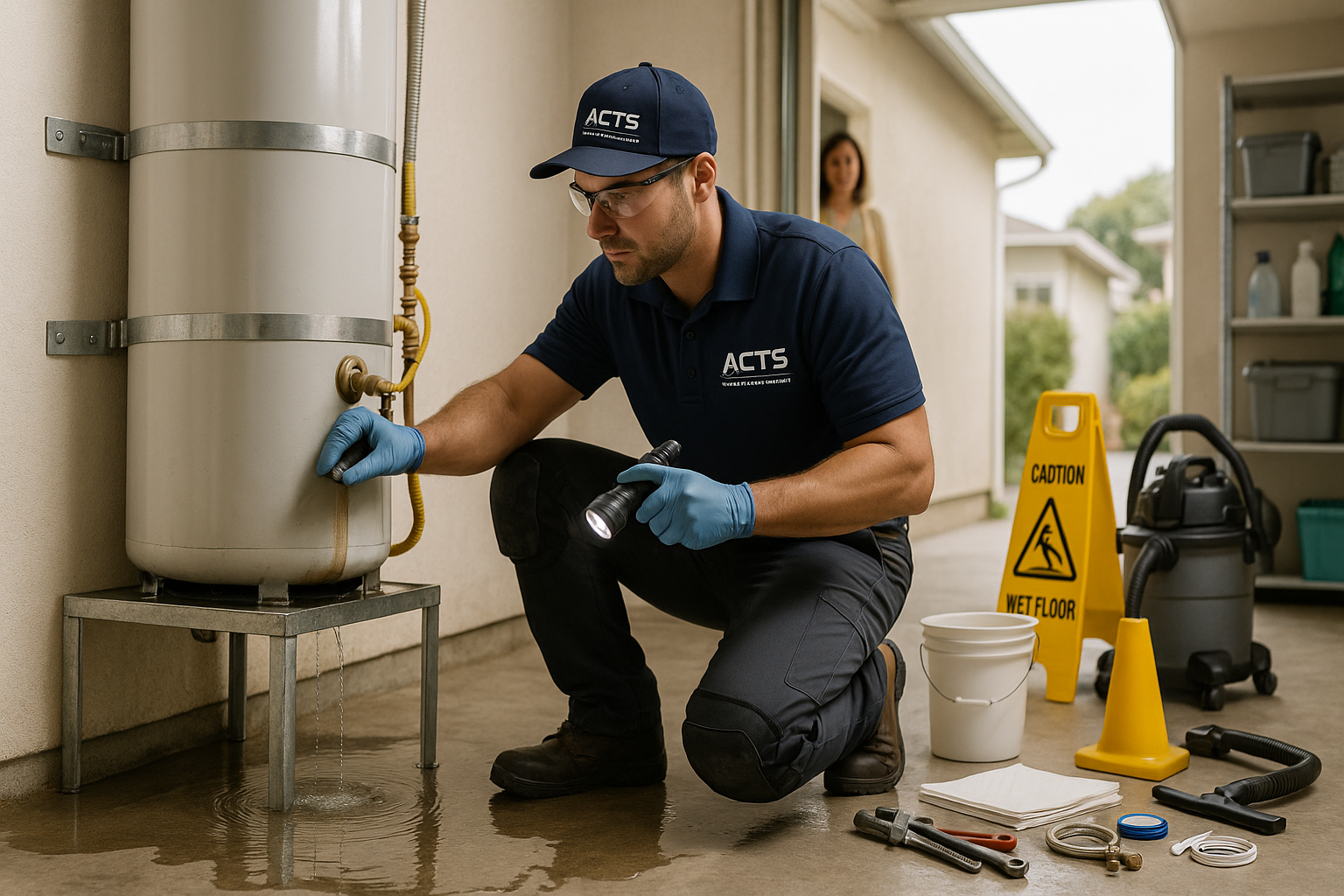
Water Everywhere? What to Do When Your Water Heater Leaks in San Francisco and Hillsborough
Introduction: The short answer
If your water heater has just sprung a leak, do three things right now: stop the water, make the appliance safe (gas or electric), and start containing the damage. Then call a licensed plumber—and be aware that in San Francisco and Hillsborough, replacing a water heater typically requires a plumbing permit and inspection. The quick steps below are safe, practical Home Maintenance actions tailored to Bay Area homes. [1][2][4][5][7]
H2: First, make it safe: your right-now checklist
- Shut off the water supply:
- Try the dedicated cold-water shutoff valve on top of the water heater. Turn it clockwise until it stops.
- If you can’t find or operate it, shut off the home’s main water valve. The San Francisco Public Utilities Commission (SFPUC) explains where main shutoff valves are typically located and offers a courtesy visit to help you find yours. [1]
- Make the appliance safe:
- Gas water heaters: Turn the appliance’s gas control to OFF and/or close the small gas shutoff valve at the heater. Manufacturers instruct you to turn off the gas supply immediately if a water heater is leaking. Do not shut off gas to the entire house unless you smell gas, hear gas escaping, or otherwise suspect a leak; PG&E warns against shutting off gas service to the house unless a leak is suspected, because a professional inspection and relight are required afterward. [2][7]
- Electric water heaters: Switch OFF the dedicated circuit breaker before you touch the unit or any nearby water to avoid shock. Manufacturers advise turning off power immediately if the heater is leaking. [7]
- Contain and limit damage:
- Move belongings out of the wet area and place towels, a bucket, or a pan to capture drips. Be cautious—hot water at the drain or relief valve can scald.
- Begin drying within 24–48 hours to reduce mold risk. Use fans and ventilation, and consider professional help if the wet area is extensive. The EPA emphasizes that drying water-damaged areas and materials within 24–48 hours is critical to limiting mold growth. [6]
- Call a licensed plumber:
- In San Francisco and Hillsborough, replacing a water heater typically requires a plumbing permit and inspection—don’t schedule a replacement without addressing permits. San Francisco’s Department of Building Inspection (DBI) enforces that a plumbing permit is required to install, remove, or replace a water heater, and Hillsborough lists a specific Water Heater Permit and fee. [4][5]
H2: What not to do
- Don’t cap, plug, or valve the temperature and pressure (T&P) relief valve discharge line. The California Plumbing Code (CPC) prohibits any valve between the relief valve and its discharge point and requires discharge to an approved location by gravity with approved materials. This is a critical safety device. [3]
- Don’t keep energizing or relighting a soaked or flooded water heater. Shut it down and wait for a qualified professional. Manufacturers direct homeowners to shut off power or gas if a water heater is leaking. [7]
- Don’t shut off gas to the entire home unless you suspect a gas leak. If you do shut house gas off, PG&E requires a professional inspection and relight. [2]
H2: Bay Area code items that affect your repair or replacement
When a leaking water heater needs work or replacement, inspectors in our area will look for these code-driven basics. These are statewide CPC requirements used by Bay Area jurisdictions; local amendments or site conditions can affect details, so always verify with the Authority Having Jurisdiction (AHJ) for your address. [3]
H3: Relief valve discharge (T&P)
Your water heater’s temperature and pressure (T&P) relief valve must discharge by gravity to an approved location. No valve is allowed between the relief valve and its discharge point, and materials must be approved. This is a life-safety requirement designed to prevent dangerous overpressure or overheating. [3]
H3: Drain pan and drain
If a leak could damage the structure (for example, the water heater is in a closet, attic, or living area), the CPC requires a corrosion-resistant drain pan properly sized and piped to a visible termination with a minimum 3/4-inch drain. This helps you see and direct small leaks before they become costly damage. [3]
H3: Thermal expansion control
If your plumbing system is “closed” by a pressure-reducing valve (PRV), backflow preventer, or check valve—a setup that’s common in Bay Area homes—you must have a properly sized expansion tank or other listed device. Without it, normal heating can spike pressure and force the T&P valve to weep or discharge. The CPC requires expansion control on closed systems and that it be installed per the manufacturer’s instructions. [3]
H3: Earthquake bracing
California requires water heaters to be strapped and braced to resist falling or shifting in an earthquake. Typically, two straps—one in the upper third and one in the lower third—must be anchored to the structure per code. This is enforced throughout the Bay Area. [3]
H2: Permits and inspections: San Francisco and Hillsborough homeowners
- San Francisco (City and County): DBI requires a plumbing permit to install, remove, or replace a water heater. Expect an inspection to close the permit. Licensed contractors can help you navigate online or over-the-counter permit options. Always confirm current submittal methods and requirements with DBI. [4]
- Town of Hillsborough: The Town’s Master Fee Schedule lists a Water Heater Permit with current fees, indicating a permit and inspection are required even for like-for-like replacement. Confirm current fees and submittal steps with the Building Division before scheduling work. [5]
Note on local specifics: While the CPC sets minimum statewide requirements, details such as exactly where a T&P discharge may terminate or where a pan drain can run can vary by jurisdiction and site conditions. Always verify your project’s specifics with the AHJ at permit intake or pre-inspection. [3]
H2: After the leak: drying and cleanup basics for our climate
Even when you’ve stopped the leak, trapped moisture can cause long-term problems. As part of good Home Maintenance:
- Start drying immediately and aim for full drying within 24–48 hours to reduce the risk of mold. Use fans and open windows if weather allows. The EPA’s residential guidance provides a helpful baseline for small cleanups and notes when to scale up to professional help. [6]
- If the water affected walls, insulation, or flooring, consider professional remediation—especially if materials stayed wet past the 48-hour window. [6]
H2: Prevent the next emergency: simple Home Maintenance steps
- Learn and label shutoffs: Find and label your water heater’s cold-water shutoff, the appliance gas shutoff (for gas units), and your main house water shutoff. If you can’t locate the main, SFPUC offers guidance and may assist with a courtesy visit. [1]
- Check seismic strapping: Verify that your water heater is properly strapped per CPC requirements with two approved straps anchored to the structure. [3]
- Confirm thermal expansion control: If you have a PRV, backflow preventer, or check valve on your water service, make sure an appropriately sized expansion tank or listed device is installed and maintained. [3]
- Use a drain pan where required: If your water heater sits over or adjacent to spaces that can be damaged by water, ensure a code-compliant pan and drain are in place. [3]
H2: Repair or replace?
Some leaks come from fittings or valves and may be repairable; others originate from the tank itself and often indicate the need for replacement. A licensed plumber can pinpoint the source, advise on costs, and help you plan any code-required upgrades (like seismic bracing, expansion control, and proper T&P discharge) so the replacement passes inspection. [3][4][5]
Conclusion and next steps
A leaking water heater is stressful, but the priorities are straightforward: stop the water, make the appliance safe, protect your home from further damage, and plan a code-compliant fix. In San Francisco and Hillsborough, that almost always means pulling the proper permit, meeting California Plumbing Code basics—such as T&P discharge, seismic bracing, drain pans where needed, and expansion control where the system is closed—and scheduling an inspection. If you’re unsure about a shutoff, a permit, or what the code requires in your situation, don’t guess—ask a licensed professional and confirm with your local building department. [1][3][4][5][6][7]
Need help fast? Contact American Construction & Trade Specialists (ACTS). Our licensed, multi-trade team serves homeowners from San Francisco through Hillsborough. We can make your system safe, stop the leak, and handle permitted, code-compliant repairs or replacements. Reach out today for an assessment or quote.
References
[1] San Francisco Public Utilities Commission (SFPUC). "Home Water Shutoff Valve." SFPUC. https://www.sfpuc.gov/learning/emergency-preparedness/home-water-shutoff-valve
[2] Pacific Gas and Electric Company (PG&E). "PG&E Outage Center - Gas (Gas Safety)." PG&E. https://pgealerts.alerts.pge.com/safety/gas/
[3] International Association of Plumbing and Mechanical Officials (IAPMO). "2025 California Plumbing Code." IAPMO. https://epubs.iapmo.org/2025/CPC/
[4] City and County of San Francisco, Department of Building Inspection (DBI). "Department of Building Inspection — Notice of Violation detail page (example) stating “PLUMBING PERMIT REQUIRED TO INSTALL, REMOVE, OR REPLACE WATER HEATER.”" City and County of San Francisco (DBI). https://dbiweb02.sfgov.org/dbipts/default.aspx?COMP_ID=217396-1&page=WebHISNOVDetails
[5] Town of Hillsborough, CA. "Town Council Agenda (Master Fee Schedule excerpt) – Water Heater Permit fees." Town of Hillsborough. https://www.hillsborough.net/AgendaCenter/ViewFile/Agenda/_05112026-1432
[6] U.S. Environmental Protection Agency (EPA). "How do I get rid of mold?" U.S. EPA. https://www.epa.gov/mold/how-do-i-get-rid-mold
[7] A. O. Smith. "Why Is My Water Heater Leaking?" A. O. Smith. https://www.hotwater.com/info-center/water-heater-leaking.html